
Building Resilience in the Body
Erin Lingo | OCT 30, 2024
resilience
somatics
nervous system
nervous system regulation
sympathetic
parasympathetic
Building Resilience in the Body
Erin Lingo | OCT 30, 2024
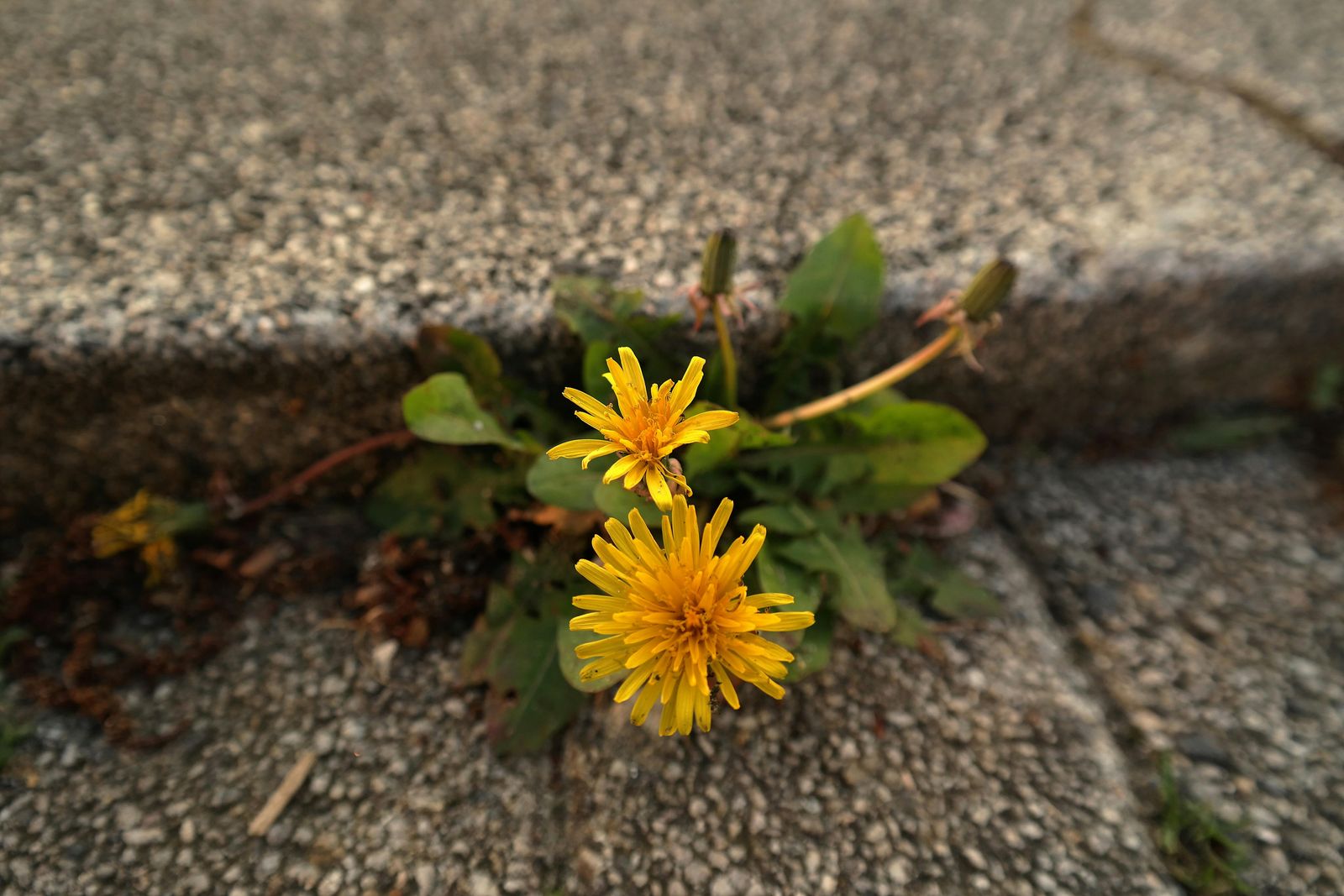
I've been thinking a lot recently about resilience. Not the armoring that braces us against challenges, the physical or emotional toughness that keeps us safe but distant, or the grit that tells us to put up with an unhealthy situation. No, I'm talking about how our bodies recover and respond that leads to personal evolution, growth, and an increased capacity for adaptation and flexibility.
Truth is, we are meant to be pushed and challenged––our nervous systems respond through hyper-activation (fight-flight) or hypo-activation (shut down) and then return to a balanced state. But regular exposure to stress or a traumatic event can keep the nervous system in over- or under-drive––it doesn't respond well when faced with constant threat. This means that the next time you're cut off in traffic or receive less-than-flattering feedback your nervous system is more likely to respond like you're being chased by a bear––looking like over-reaction, "big emotions", or a sense of overwhelm.
A client recently related this to a rubber band: when pulled, it snaps back hard, and when constantly pulled tight it might get stretched out. I think it's less about snapping back (even gracefully) to our former state, and more about finding a new shape that's more aligned with who we want to be.
So if the answer is not just "muscling through" or faking it, what can we do? Ultimately, we need to increase this range of tolerance––or, "range of resilience"––so we can properly process stress and respond appropriately without it eating us up.
We build this capacity through embodied practices that help us feel grounded, aware of the present moment, and therefore capable of responding effectively to challenges. The goal and practice is the full range of human experiences, emotions, and sensations––not less. Somatic practices that help us connect to our bodies, our emotions and sensations, and increasing our tolerance for rest and relaxation build our resilience.
It's also about our commitment to something bigger than ourselves. Resilience is built in community. Just as our environment shapes us, we shape our environment through the ways we respond, act inside (or outside) of our values, in the relational habits we perpetuate.
In this season of election stress, these types of practices are even more necessary and supportive. If you're feeling on edge, overwhelmed, or over-activated, you're not alone. Practicing safety, belonging, and dignity, contributing positively (even in small ways) in your own community, and finding moments of rest helps us regulate, connect with compassion, and build our internal and social sense of resilience.
Bring to mind a memory of a time you felt proud, joyful, or had a sense of being fully alive. Get really specific – where were you? Who was there? How does your body respond to this memory? What sensations do you notice? What qualities or energy do you sense?
Now, be with those sensations but let go of the memory itself. Can you keep connected to these sensations in the present moment?
Observe these sensations as you go about your day. What brings you closer to this state of joy and aliveness? What brings you further from it?
Erin Lingo | OCT 30, 2024
Share this blog post
 OfferingTree